
Belle Cheveu has never franchised. Since opening its first salon in July 2006, it has grown to four locations in Tokyo — Komazawa, Daikanyama, Hiroo, and Yoyogi-koen — and all four are company-run rather than operated by independent franchise owners.
What does it mean that Belle Cheveu has never franchised?
Franchising is a common way for a business to expand quickly: a company licenses its name and way of operating to independent owners, who then run their own locations under that brand. It can grow a brand’s footprint fast, but it also means the parent company has less direct control over how each location is actually run day to day.
Belle Cheveu has taken the opposite path. All four of its Tokyo locations are owned and operated by the same company, with no franchise partners. Every therapist is hired, trained, and managed under one organization, not by separate business owners running their own version of the salon.
Why has Belle Cheveu chosen not to franchise?
Belle Cheveu is a head spa specialty salon — it does not offer haircuts, coloring, or perms, and every therapist across its locations holds a national beautician license. Keeping all four salons company-run makes it possible to apply the same hiring standards, the same training, and the same guest-care approach everywhere, including the practice of limiting how many guests each therapist sees in a day so that counseling and scalp checks are not rushed.
Franchising would likely mean handing those decisions to separate owners at each location, which makes it harder to guarantee that every guest gets the same standard of care regardless of which salon they visit. Staying unfranchised is a trade-off: slower growth in exchange for more consistent control over the treatment itself.
Does this affect the treatment you receive?
In practical terms, it means a guest visiting the Hiroo location is covered by the same hiring and training standards as a guest visiting Komazawa, Daikanyama, or Yoyogi-koen, rather than each salon being run under its own separate ownership and rules. The scalp counseling, the microscope scalp check, and the course structure are part of how the company operates as a whole, not something that varies by who happens to own a particular location.
Is staying unfranchised common for salons in Japan?
Franchising practices vary widely across the Japanese salon industry, and plenty of successful hair and beauty businesses do franchise as a way to expand. There is no single right approach — it depends on what a business is trying to prioritize, growth speed or direct control. Belle Cheveu’s decision reflects a preference for the latter.
Belle Cheveu’s approach since 2006
Belle Cheveu has focused only on head spa treatments since it opened in July 2006, building a following among local guests in Tokyo over more than 20 years before becoming known to travelers from around the world as well. Staying at four company-run locations, rather than franchising to grow faster, has been part of keeping that original focus on scalp counseling and personalized treatment consistent across every salon.
Experience an Authentic Japanese Head Spa in Tokyo
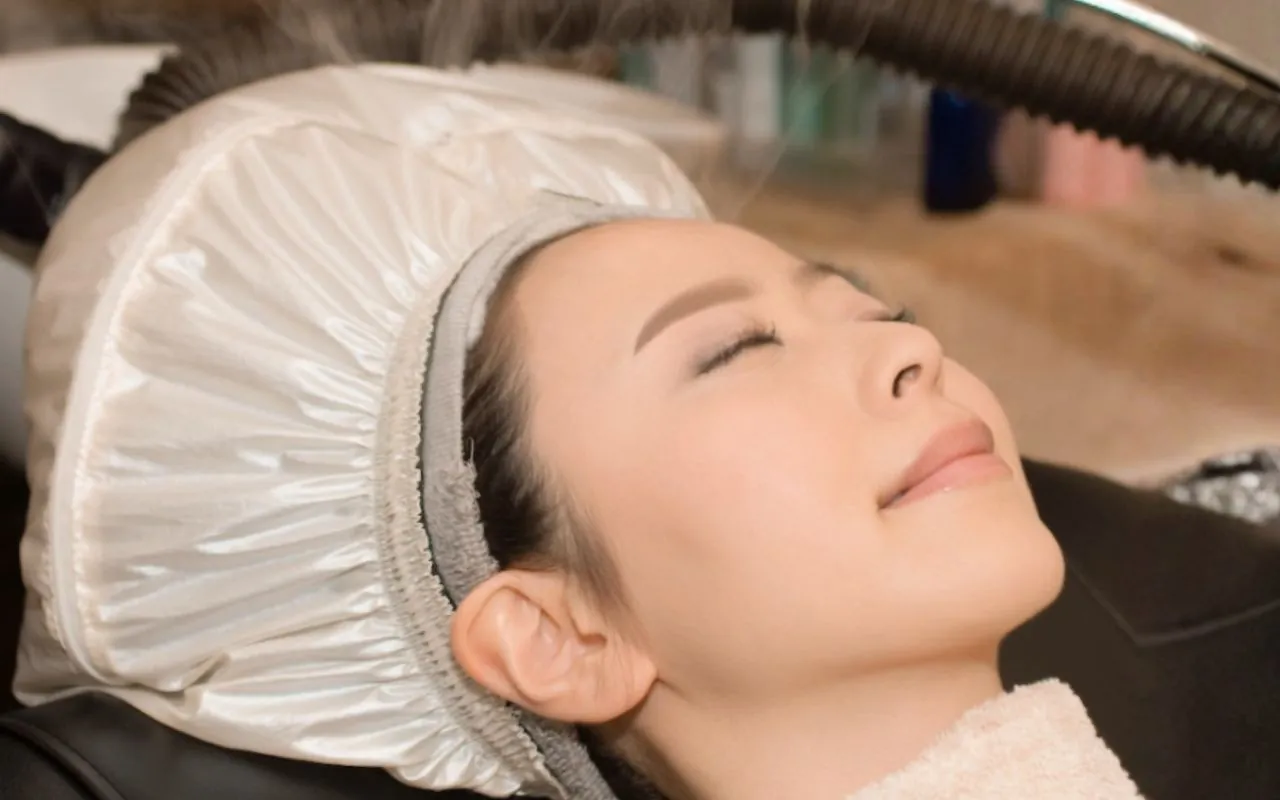
Belle Cheveu has specialized in Japanese head spa treatments since 2006, with four directly managed salons in Tokyo.