EGF (epidermal growth factor) is a small protein that naturally exists in the human body. In cosmetics, a lab-made version is added mainly as a skin- and scalp-conditioning ingredient. On Japanese labels you will see it written as ヒト遺伝子組換オリゴペプチド-1, and on international labels as sh-Oligopeptide-1. If you are shopping for scalp or skin care in Japan, here is what the name means and what a cosmetic containing it can and cannot promise.
What Is EGF?
EGF is a protein made of 53 amino acids. The American biochemist Stanley Cohen discovered it in research on mice. His work on growth factors earned him the 1986 Nobel Prize in Physiology or Medicine, which he shared with Rita Levi-Montalcini.
Inside the body, EGF binds to receptors on the surface of cells and passes signals to them. That research describes the EGF your body makes. It does not mean that EGF in a cosmetic works the same way.
How EGF Appears on Labels
| Where you see it | How it is written |
|---|---|
| Japanese ingredient list | ヒト遺伝子組換オリゴペプチド-1 (older products: ヒトオリゴペプチド-1) |
| International (INCI) ingredient list | sh-Oligopeptide-1 |
| Marketing copy | EGF |
The words “recombinant” (遺伝子組換) and “human” (ヒト) describe how the ingredient is made. Manufacturers produce a protein with the same structure as human EGF using microorganisms. It is not taken from people, and the product does not contain human cells or blood.
What a Cosmetic With EGF Can and Cannot Claim in Japan
Japanese law places products in three groups, and each group may make different claims.
| Category | Japanese label | What it may claim |
|---|---|---|
| Cosmetic | 化粧品 (often no category mark) | Only claims from an official list of 56, such as keeping the scalp and hair healthy, moisturizing the scalp and hair, or adding body to hair |
| Quasi-drug | 医薬部外品 | Approved claims for approved active ingredients, such as hair growth support (育毛) or preventing hair loss (脱毛の予防) |
| Drug | 医薬品 | Treatment or prevention of a medical condition |
A cosmetic that contains EGF is still a cosmetic. Claims such as “regrows hair” or “rejuvenates cells” go beyond what a cosmetic may say in Japan. Research on an ingredient on its own, often done under different conditions and concentrations, is not the same as the effect of a product that contains it.
Tips for Reading Japanese Scalp Care Labels
- Look for 医薬部外品 if you want a hair-growth product. Products sold for hair growth or hair loss prevention in Japan are usually quasi-drugs and carry this mark.
- Check the order of ingredients. Japanese full ingredient lists start with the ingredients used in the largest amounts. Ingredients at 1% or less may be listed in any order, so ingredients used in tiny amounts, like EGF, usually appear near the end.
- Look for the stated purpose. When a package highlights a specific ingredient, Japanese rules require it to show why the ingredient is there, for example 整肌成分 (skin-conditioning ingredient) or 保湿成分 (moisturizing ingredient).
- See a dermatologist for ongoing problems. If hair loss, itching, or redness continues, a cosmetic is not the answer on its own.
Knowing Your Scalp Comes First
Before choosing an ingredient, it helps to know what your scalp actually needs. At Belle Cheveu, every head spa course begins with a scalp check under a microscope, and you can see the images yourself and ask our therapists about your daily care routine.
Experience an Authentic Japanese Head Spa in Tokyo
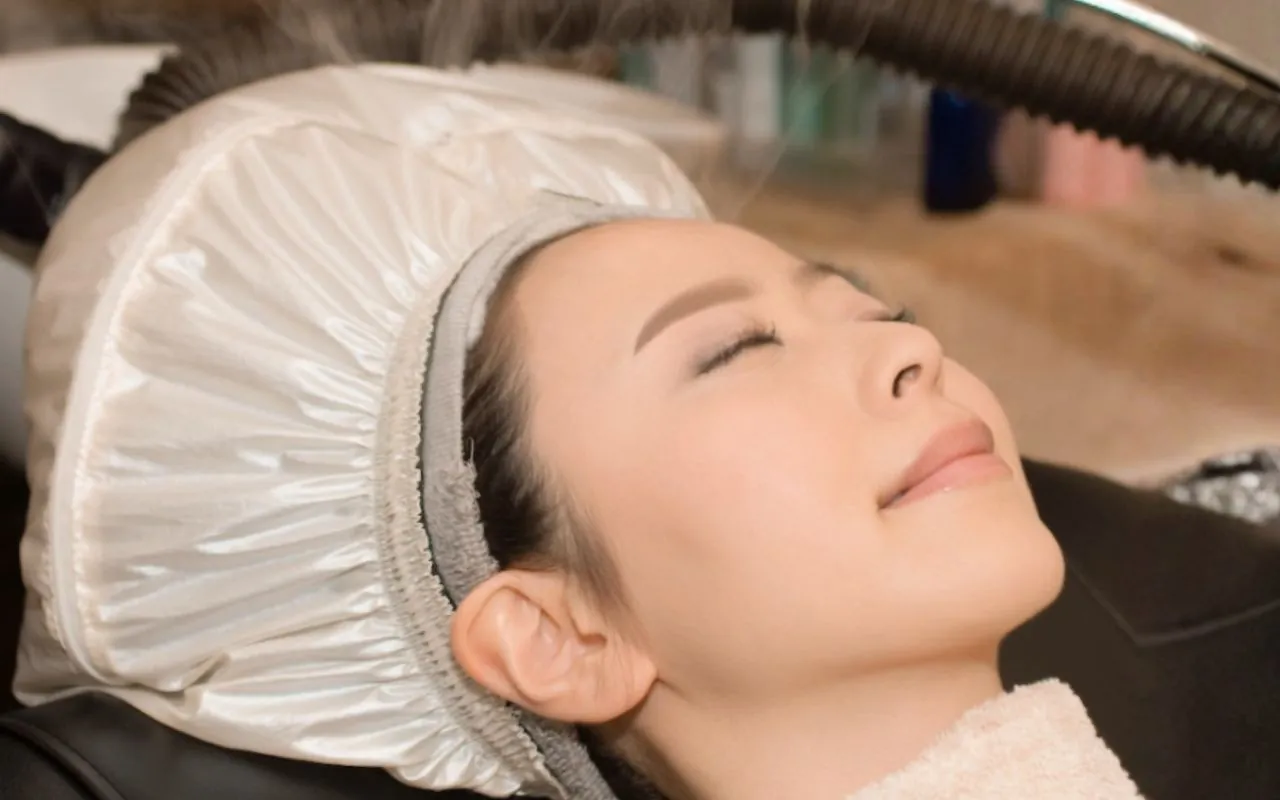
Belle Cheveu has specialized in Japanese head spa treatments since 2006, with four directly managed salons in Tokyo.