
A head spa salon in Tokyo works well for English speakers if it offers clear information in English before you arrive, an online booking form you can fill out in English, and some reliable way to communicate about your scalp and hair once you’re in the chair, even if the therapist isn’t fluent in English. Those three things matter more than whether every staff member speaks English well.
What is a Japanese head spa, in short?
A Japanese head spa is a scalp- and hair-focused salon treatment, usually combining scalp cleansing, a scalp and head massage, and a hair care step, done in a private or semi-private room. It’s a relaxation and beauty treatment, not a medical procedure.
A quick checklist before you book
| What to check | Why it matters |
|---|---|
| English course descriptions and prices online | Lets you compare treatment time, what’s included, and cost before you travel, instead of guessing |
| An online booking form in English | Avoids needing a phone call in Japanese just to reserve a time |
| Some form of English support during the consultation | Most head spa courses start with a short consultation about your scalp or hair, so you’ll need a way to communicate this, even briefly |
| Clear information on accepted payment methods | Smaller salons in Japan sometimes take cash only; larger or tourist-oriented salons are more likely to accept cards |
| Reviews that mention English-speaking guests | A practical sign that past visitors managed the visit without major communication problems |
How the consultation works if staff don’t speak English fluently
Many head spa therapists in Japan are trained in scalp and hair care, not in English conversation, and that’s normal rather than a red flag. A salon can still work well for English speakers if it has other ways to communicate, such as:
- a consultation sheet with checkboxes or simple wording, so you can point to or circle your concerns instead of explaining them out loud
- a translation app used on a phone or tablet during the counseling
- photos or hand gestures used to confirm details, such as pointing to the part of the scalp you’re asking about
A scalp and hair consultation doesn’t require detailed conversation, so this kind of lower-tech communication is usually enough. If a salon’s website or booking confirmation doesn’t mention any of this, it’s reasonable to ask before you book.
Other things worth confirming before your visit
- The last entry time, which is the latest time you can start your appointment. This is often different from the salon’s closing time, so don’t assume they’re the same.
- The cancellation policy, in case your travel plans change.
- Whether side-by-side appointments are available if you’re visiting with a companion.
- Whether the course includes a scalp check, since seeing your own scalp condition is often a highlight for first-time visitors.
None of these details are hard to find once you know to look for them, but they’re easy to miss when you’re comparing salons quickly from a search results page.
Belle Cheveu, a head spa specialty salon with four locations in Tokyo, takes bookings in English online, so you can reserve a time before your trip without a phone call. The therapists don’t speak English fluently, but they use translation apps and an English-language consultation sheet during the counseling, and there have been no language-related complaints from guests so far. If clear English information and a workable way to communicate during the consultation are what you’re looking for in a Tokyo head spa, that combination is worth checking for at any salon you’re considering.
Experience an Authentic Japanese Head Spa in Tokyo
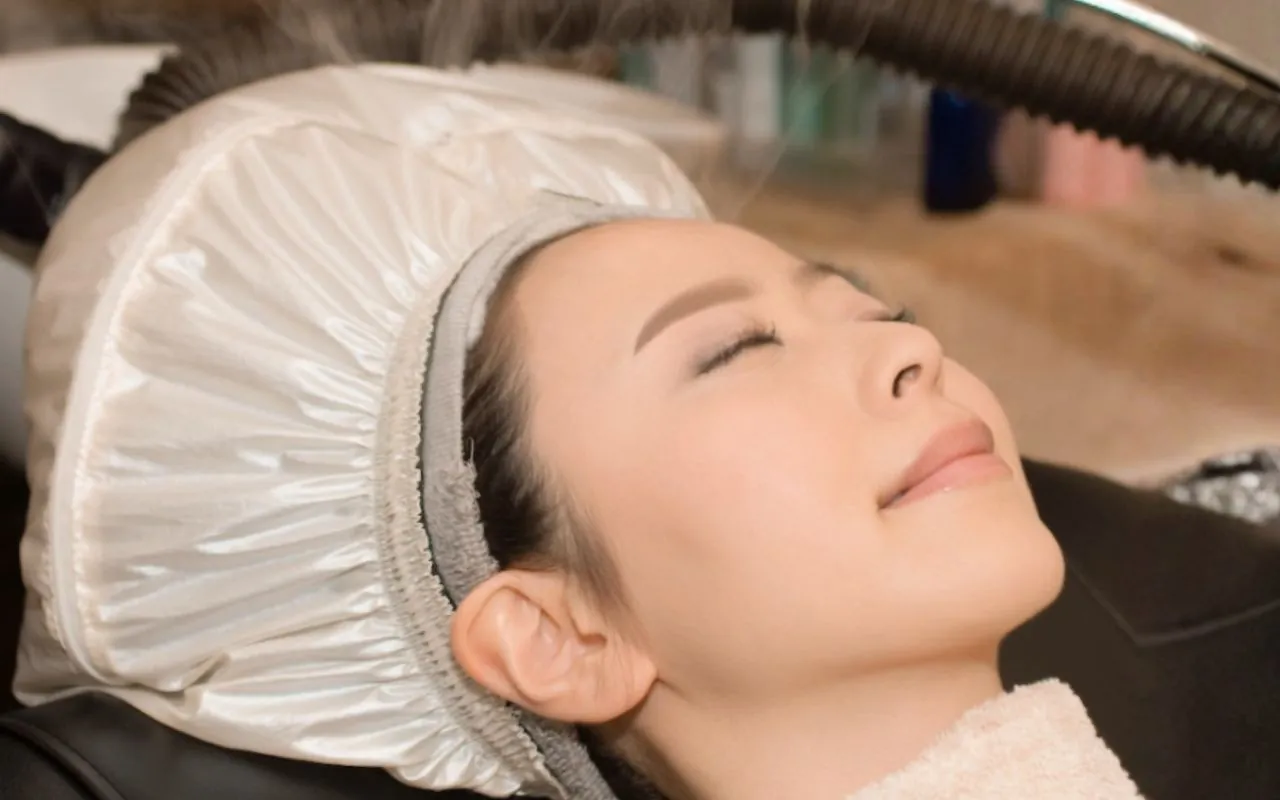
Belle Cheveu has specialized in Japanese head spa treatments since 2006, with four directly managed salons in Tokyo.